
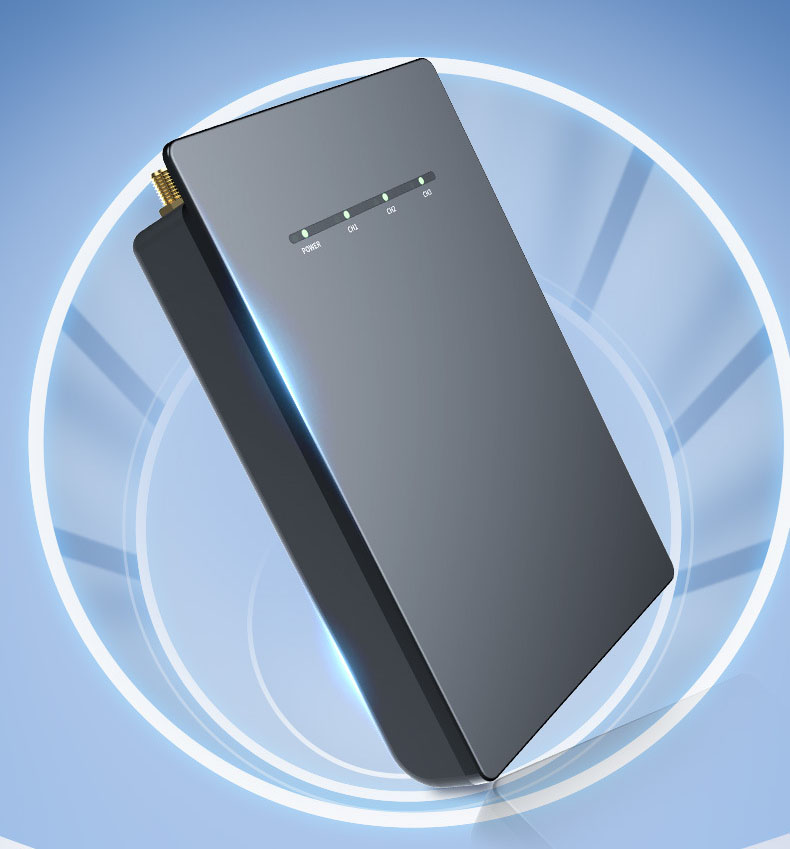
In modern mobile office environments and outdoor exploration, limited signal coverage often becomes a core factor hindering productivity. To address communication barriers in cell tower fringe areas or building-shielded zones, portable cell phone signal boosters have emerged as a highly integrated solution. These devices not only optimize wireless communication quality but also extend mobile device battery life through built-in power modules, combining communication assurance with power backup in one unit.
How Signal Boosters Work
Portable signal boosters function as bidirectional RF relay systems, essentially establishing miniature communication hubs within complex environments.
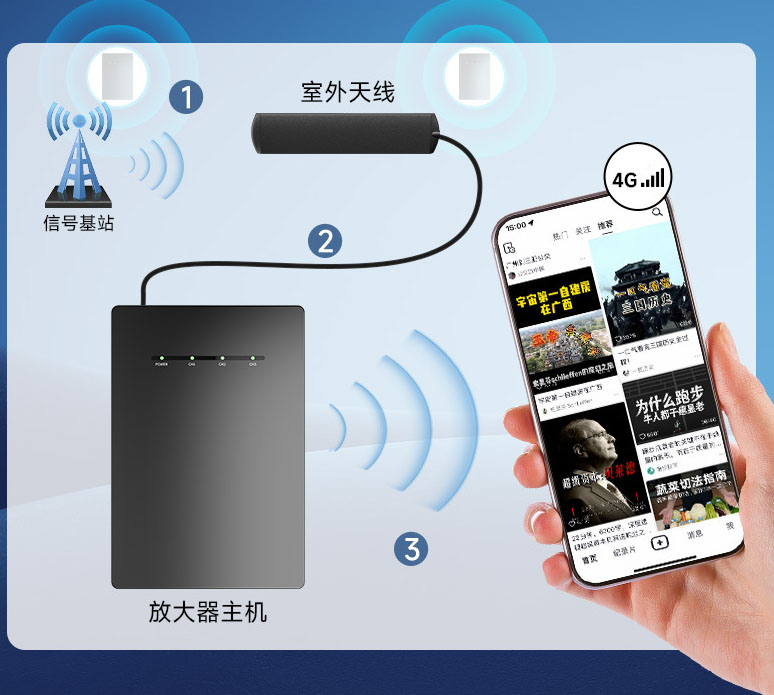
Processing and Enhancement Phase: The amplifier's internal low-noise amplification circuit purifies and amplifies the received weak signals. This process filters out environmental noise and dynamically adjusts the gain multiplier based on current reception strength.
Local Broadcasting Phase: The processed, enhanced signal is retransmitted via the device's built-in coverage antenna. Within the effective range around the amplifier, mobile devices can achieve full signal bars, as if near a base station.
Dual Empowerment for Communication and Power
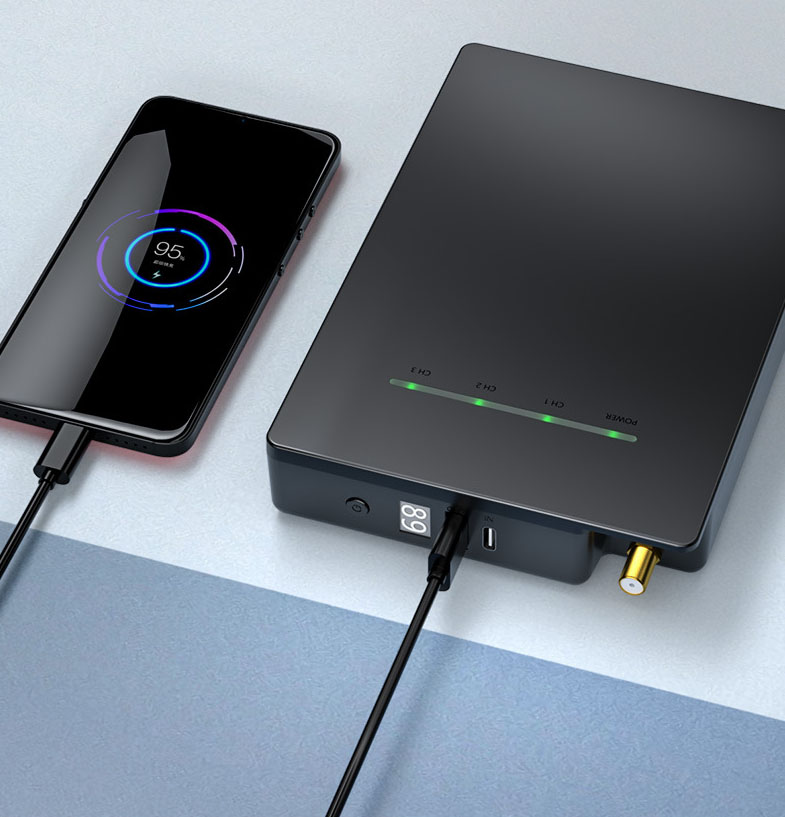
A key feature of the new portable amplifier is its bidirectional energy management system. The device incorporates a high-density energy storage module that not only provides sustained power for its own signal amplification circuits but also functions as a mobile power bank to recharge smartphones, tablets, or other electronic devices.
This design significantly reduces luggage burden during outdoor excursions or extended travel. In remote areas, users no longer need to carry separate power banks or cumbersome signal enhancement kits. A single device ensures uninterrupted communication while addressing rapid battery drain caused by mobile terminals constantly searching for base stations in weak signal environments.
Technical Dimensions to Consider When Selecting
When evaluating a portable signal booster, examine both its hardware architecture and intelligent adjustment capabilities.


Automatic Level Control (ALC): This feature automatically balances output power based on outdoor signal strength. It prevents distortion from excessive signals and effectively avoids unintended interference with public communication networks.
Antenna Isolation Technology: To prevent loop interference (self-oscillation) between receive and transmit signals, advanced devices employ optimized filtering algorithms and physical shielding designs. This enables stable gain performance within a compact chassis.
Limitations and Specifications in Practical Applications
Despite technological advancements, signal amplifiers remain constrained by physical environments. Their operation requires the presence of detectable original signals. In absolute dead zones with zero base station coverage, such devices cannot enhance reception.